Educational Article • 12-minute read
The Future of Architecture: Sustainability, Technology, and Social Responsibility
As we navigate the complexities of the 21st century, architecture faces unprecedented challenges and opportunities. Climate change, technological advancement, and evolving social needs are reshaping how we think about designing and building our environment.
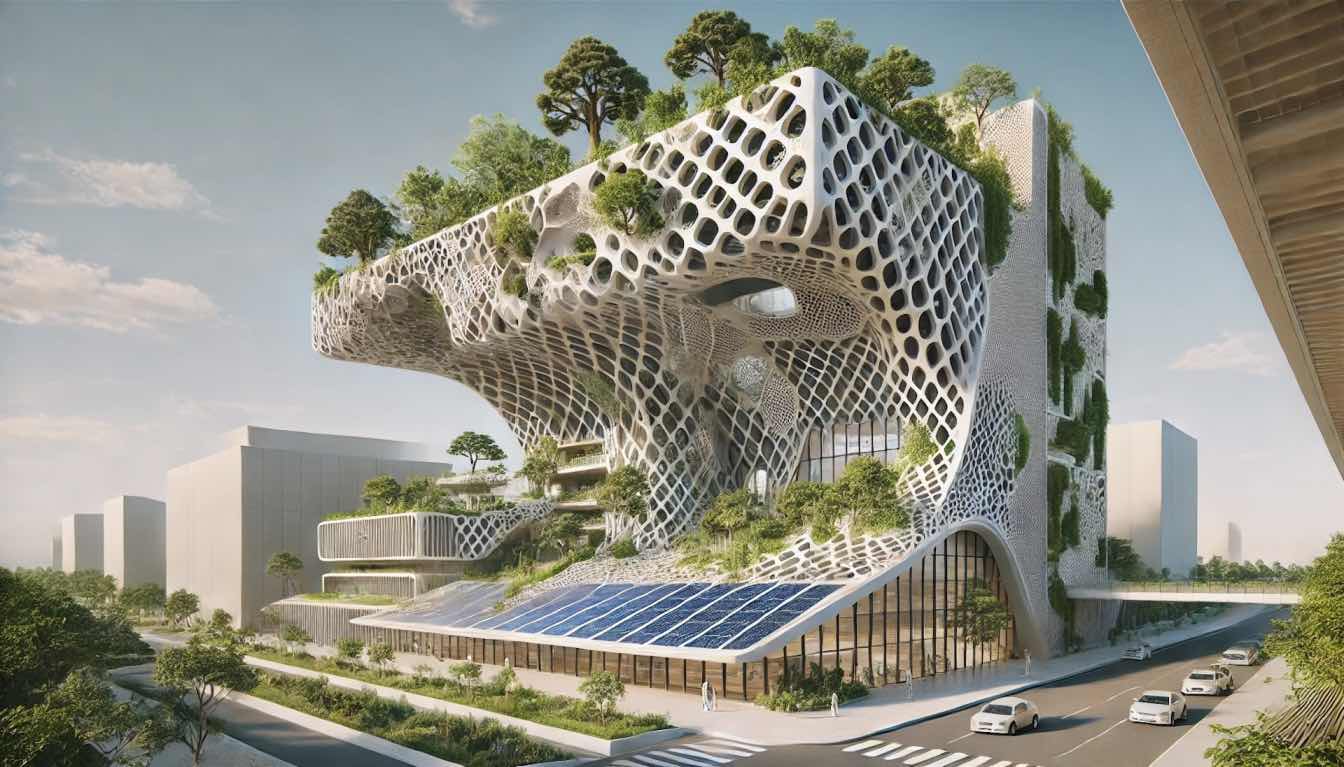
Sustainable Design as Imperative
Environmental sustainability has moved from optional consideration to fundamental requirement in architectural practice. Buildings account for a significant portion of global energy consumption and carbon emissions, making the design profession central to addressing climate challenges.
Contemporary sustainable architecture goes beyond simple energy efficiency. It encompasses lifecycle thinking, consideration of embodied carbon in materials, adaptive reuse of existing structures, and design for disassembly and recycling. Architects must understand buildings as part of larger ecological systems rather than isolated objects.
Passive design strategies—orientation, natural ventilation, daylighting, thermal mass—represent time-tested approaches that modern technology can enhance rather than replace. The most sustainable building is often one that uses less mechanical systems through thoughtful design.
Digital Tools and Design Process
Digital technology has transformed architectural practice fundamentally. Building Information Modeling allows unprecedented coordination and simulation capabilities. Parametric design tools enable exploration of complex geometries and optimization of performance criteria. Virtual reality provides new ways to experience unbuilt space.
However, technology serves design thinking rather than replacing it. Digital tools are most powerful when guided by clear design intentions and critical judgment. The challenge for architectural education is developing technological literacy while maintaining focus on design fundamentals.
Emerging technologies like artificial intelligence and machine learning raise questions about the future of design work itself. While these tools can analyze data and generate options, the architect's role in synthesizing diverse requirements, balancing competing priorities, and making value judgments remains essential.
Social Responsibility and Equity
Architecture inherently shapes how people live, work, and interact. This gives the profession significant social responsibility. Contemporary discourse increasingly addresses questions of equity, access, and justice in the built environment.
Who has access to quality design? How does architecture serve marginalized communities? What is the profession's role in addressing housing affordability, gentrification, and spatial inequality? These questions challenge architects to think beyond aesthetic concerns and technical problem-solving.
Participatory design approaches involve communities in shaping their environments. This democratizes design processes traditionally dominated by professionals and clients with resources. It also generates more appropriate, contextually responsive solutions.
Material Innovation
New materials and construction technologies expand architectural possibilities while addressing sustainability concerns. Engineered timber products enable tall wood construction with lower carbon impact than concrete and steel. Bio-based materials like mycelium and algae-derived composites suggest future alternatives to petroleum-based products.
Advanced manufacturing techniques including robotic fabrication and 3D printing allow complex geometries and customization at scales previously impossible. However, these innovations require critical assessment of their actual environmental and social impacts, not just technological novelty.
Traditional materials and construction methods also merit reconsideration. Vernacular building practices often embody sophisticated environmental response developed over generations. Contemporary architecture can learn from these precedents while adapting them to current needs and technologies.
Adaptive Reuse and Preservation
Recognizing that demolition represents enormous waste of embodied energy and materials, there is growing emphasis on adapting existing buildings for new uses. This requires different design skills than ground-up construction—working with constraints, understanding existing conditions, and making sensitive interventions.
Preservation is increasingly understood not just as maintaining historically significant buildings but as sustainable practice. Keeping existing structures in use, even with substantial modifications, typically has lower environmental impact than demolition and new construction.
Global and Local
Architecture operates simultaneously at global and local scales. While architectural discourse is increasingly international, good design must respond to specific contexts—climate, culture, available materials, construction practices, and local needs.
The challenge is avoiding both uncritical regionalism that rejects global knowledge and placeless internationalism that ignores local specificity. Contemporary architecture at its best integrates global understanding with local response.
Education and Practice
These evolving concerns require architectural education that balances traditional fundamentals with contemporary issues. Students need strong design foundations while developing awareness of sustainability, technology, and social responsibility. They must learn to think critically about the discipline's role in addressing global challenges.
Professional practice is also changing. Traditional firm structures are being challenged by new collaborative models. The scope of architectural services expands to include consultation on broader urban and environmental issues. Career paths diversify beyond conventional practice.
Conclusion
The future of architecture will be shaped by how the profession responds to pressing environmental and social challenges. Technology provides powerful tools, but the essential questions remain fundamentally human: How do we want to live? What kind of environment serves human flourishing? What responsibilities do designers have to society and the planet?
Architectural education must prepare students to engage these questions thoughtfully while developing practical design skills. The discipline's future depends on maintaining its historical concerns with beauty, functionality, and durability while expanding to embrace sustainability, equity, and social responsibility.
This article represents educational content exploring current themes in architectural discourse. Views expressed are for learning purposes and do not constitute professional advice.