Educational Article • 10-minute read
Design Thinking in Architecture: Methodologies and Processes
Design thinking—the systematic approach to solving complex problems through creative exploration—lies at the heart of architectural practice. Understanding these methodologies helps develop more effective design processes.
What is Architectural Design Thinking?
Design thinking in architecture refers to the cognitive processes and methods architects use to develop solutions to design problems. Unlike purely analytical problem-solving, design thinking embraces ambiguity, iteration, and creative exploration.
Architectural problems are typically "wicked problems"—complex, multifaceted challenges without single correct solutions. They involve competing requirements, unclear constraints, and stakeholders with different priorities. Design thinking provides frameworks for navigating this complexity.
Key Phases of the Design Process
While every project and designer differs, most design processes include similar phases. Understanding these stages helps structure work effectively.
Research and Analysis
Good design begins with understanding. Architects research site conditions, climate data, building codes, user needs, and contextual factors. This phase involves both objective data gathering and subjective interpretation.
Analysis transforms research into design-relevant insights. What opportunities does the site present? What constraints must be addressed? What precedents offer useful lessons? This analytical thinking lays groundwork for creative exploration.
Concept Development
Concept development involves generating initial design ideas. This divergent phase prioritizes quantity and variety over refinement. Sketching, diagramming, and physical modeling help externalize and test ideas quickly.
Strong concepts typically address multiple project requirements simultaneously. A conceptual diagram might organize program while responding to solar orientation and creating meaningful spatial sequences. This integration distinguishes compelling concepts from arbitrary formal gestures.
Design Development
Selected concepts are refined through iterative development. This convergent phase involves testing ideas against requirements, making necessary adjustments, and adding detail. Digital modeling, structural analysis, and environmental simulation inform decisions.
Design development requires balancing competing priorities. A change improving thermal performance might affect spatial quality. A structural solution enabling desired spans might increase cost. Design thinking involves making informed tradeoffs rather than seeking impossible perfect solutions.
Documentation
Final design must be communicated for construction. This requires translating three-dimensional design into two-dimensional drawings with sufficient precision for builders. Documentation is not separate from design—it reveals inconsistencies and requires resolution of remaining details.
Design Methods and Tools
Sketching and Drawing
Freehand sketching remains fundamental to design thinking. Quick sketches externalize ideas for evaluation and communicate concepts to others. Drawing by hand engages different cognitive processes than digital modeling, often generating more varied ideas.
Physical Modeling
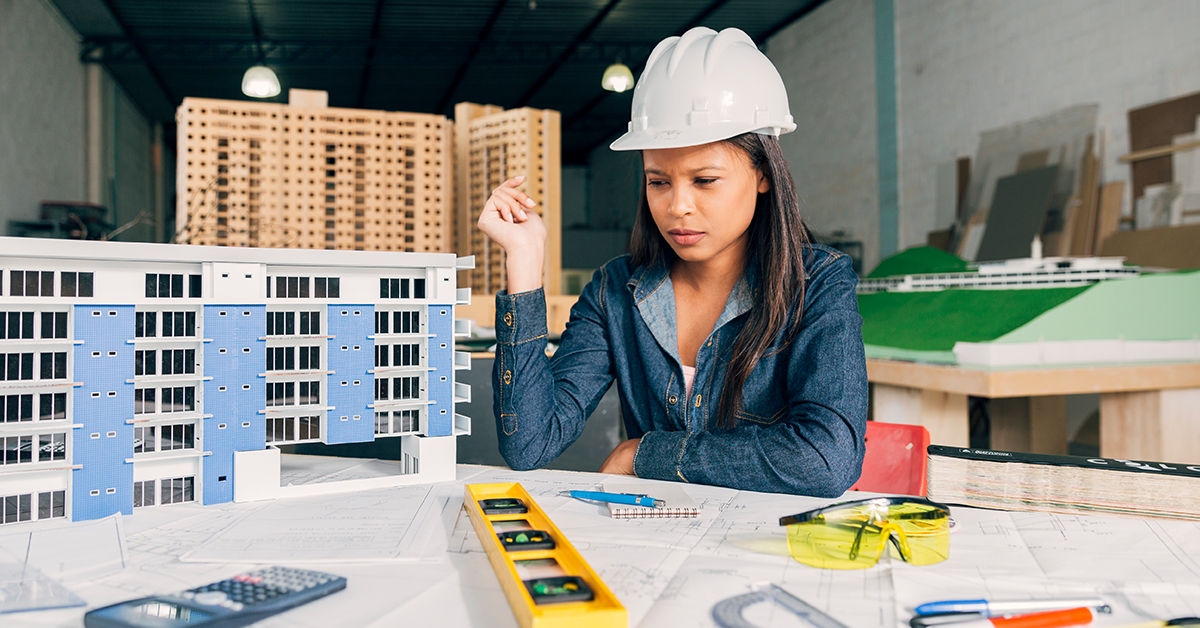
Three-dimensional models help understand spatial relationships and test design ideas. Physical models reveal qualities difficult to perceive in drawings or digital representations. They also facilitate discussion with clients and collaborators.
Precedent Analysis
Studying existing buildings provides design knowledge. Analyzing how successful projects address similar problems suggests approaches for current work. However, precedents should inform rather than dictate—every project has unique requirements demanding tailored solutions.
Diagramming
Diagrams abstract essential relationships, stripping away detail to reveal underlying organizational logic. They help analyze existing conditions and communicate design intentions. Clear diagrams can guide design development while remaining open to variation.
Integrative Thinking
Architecture requires integrating diverse considerations—functional requirements, structural systems, environmental performance, aesthetic aspirations, budget constraints, and building codes. Successful design thinking synthesizes these factors rather than addressing them sequentially.
This integration happens through iteration. Initial concepts are tested, problems revealed, adjustments made. Each cycle refines understanding and improves solutions. Viewing design as iterative process rather than linear progression from problem to solution more accurately reflects actual practice.
Collaboration and Communication
Architecture is collaborative. Architects work with engineers, consultants, contractors, and clients. Design thinking includes communication skills—explaining ideas clearly, listening to input, incorporating feedback, and building consensus.
Different stakeholders bring valuable perspectives. Engineers understand structural possibilities and limitations. Clients clarify functional needs and priorities. Contractors know construction realities. Effective design thinking leverages this collective expertise.
Critical Evaluation
Design thinking requires self-criticism—the ability to evaluate one's own work objectively. This involves stepping back from immediate involvement to assess whether design decisions achieve intended goals.
Critique is central to architectural education. Presenting work for peer and instructor feedback develops evaluative skills. Learning to receive criticism constructively and distinguish useful input from personal preference is essential professional capacity.
Developing Design Thinking Skills
Design thinking improves through practice and reflection. Working on varied projects builds repertoire of approaches. Analyzing both successful and unsuccessful design decisions deepens understanding.
Studying diverse architectural traditions expands design vocabulary. Understanding how different cultures address similar problems reveals multiple possible approaches rather than single correct solutions.
Maintaining curiosity about the built environment—observing how buildings work, considering why design decisions were made—provides ongoing learning opportunities beyond formal education.
Conclusion
Design thinking represents architecture's core intellectual work. While technical knowledge and practical skills matter, the ability to think creatively about complex problems distinguishes effective designers.
These thinking processes can be learned and developed. Understanding design methodologies helps structure work effectively and tackle challenging projects systematically. However, design thinking ultimately remains partly intuitive—refined through experience and reflection rather than following rigid formulas.
Educational content for understanding architectural design processes. Not professional design guidance.